Introduction
Ventilator assistance plays a crucial role in modern medication, especially in the extensive care setup. For brand-new nurses stepping into this complicated globe, comprehending the details of ventilator assistance is necessary. This short article, entitled "What is Ventilator Support? Demystifying the Fundamentals for New Nurses," intends to give a thorough introduction of ventilator assistance, from the standard principles to advanced administration techniques. We will check out various facets of ventilation training programs and delve into useful applications that every registered nurse must know.
What is Ventilator Assistance? Demystifying the Fundamentals for New Nurses
Ventilator support refers to the use of mechanical tools to assist or replace spontaneous breathing in individuals that can not breathe appropriately by themselves. This can happen due to various clinical problems such as respiratory system failure, chronic obstructive lung condition (COPD), or severe pneumonia.
Understanding Mechanical Ventilation
Mechanical air flow can be identified right into two primary categories: airway and ventilation skills training intrusive and non-invasive methods. Invasive air flow entails the insertion of an endotracheal tube or tracheostomy tube, whereas non-invasive ventilation utilizes masks or nasal gadgets to provide air.

Invasive vs Non-Invasive Ventilation
- Invasive Ventilation:
- Requires intubation. More effective for severe breathing distress. Higher risk of difficulties such as infections and trauma.
- Often utilized for less serious cases. Lower threat of complications. Can be unpleasant for patients.
Key Components of Ventilator Support
A ventilator runs with a number of key components:
Modes of Ventilation: Numerous settings like Assist-Control (AIR CONDITIONING), Integrated Recurring Mandatory Ventilation (SIMV), and Pressure Support (PS) satisfy different client needs.
Settings: Settings such as tidal quantity, respiratory system rate, and FiO2 are readjusted based on private client requirements.
Monitoring: Constant surveillance of essential indications and blood gases is essential for efficient management.
The Value of Standard Ventilator Course for New Nurses
For nurses brand-new to essential care environments, registering in a basic ventilator program can offer important expertise and abilities required for taking care of individuals on ventilators.
Course Web content Overview
Basic ventilator training courses commonly cover:

- Introduction to mechanical ventilation principles Understanding various modes of ventilation Hands-on training with ventilators Patient assessment techniques
Benefits of Taking a Fundamental Ventilator Course
Enhanced Knowledge: Comprehending exactly how ventilators function assists in making notified decisions regarding client care.
Improved Confidence: Acquiring functional experience enhances self-confidence when handling complex situations.
Better Patient Outcomes: Knowledgeable nurses add substantially to enhanced person outcomes with timely interventions.
Ventilation Training Programs Available
Various institutions supply specialized training programs customized for health care specialists focusing on respiratory tract management and air flow techniques.
Types certainly Offered
Hands-On Workshops: Interactive sessions that permit individuals to practice utilizing tools under supervision.
Online Modules: Adaptable knowing choices readily available that cover concept and study related to mechanical ventilation.
Advanced Courses: For those wanting to specialize better in locations such as tracheostomy treatment and advanced airway administration techniques.
Choosing the Right Course
When selecting a course, take into consideration elements like duration, material deepness, accreditation, and instructor expertise.
Ventilator Training for Registered nurses: Important Abilities Acquired
Participating in ventilator training equips registered nurses with vital skills essential for effective respiratory tract administration and patient safety.
Core Abilities Developed Via Training
Patient Assessment Techniques:- Recognizing indications of breathing distress. Analyzing arterial blood gas results effectively.
- Learning exactly how to operate different kinds of ventilators adeptly. Understanding alarms and troubleshooting typical issues.
- Effectively connecting with staff member relating to patient status. Educating families regarding ventilator assistance decisions.
Airway Management and Air flow Techniques
Effective respiratory tract administration is extremely important when taking care of clients needing ventilatory support.
Techniques Used in Airway Management
Endotracheal Intubation:- Procedure entails securing an air passage by placing a tube with the mouth into the trachea.
- Involves creating an opening directly right into the trachea for long-lasting air flow needs.
Table 1: Comparison Between Intubation and Tracheostomy
|Feature|Endotracheal Intubation|Tracheostomy|| -----------------------|-------------------------|------------------------|| Duration|Short-term|Long-term|| Procedure Time|Quick|Operation|| Comfort Degree|Less comfortable|Much more comfy|
Understanding Air passage and Air flow Management Principles
Effective airway monitoring includes recognizing both anatomical considerations and physiological ramifications related to mechanical ventilation.
Anatomical Considerations
Understanding anatomical frameworks help registered nurses in making educated decisions:
- Oral cavity Pharynx Larynx Trachea
The Physical Results of Mechanical Ventilation
Mechanical air flow changes regular breathing patterns; thus understanding these adjustments is crucial:
Increased intrathoracic pressure might affect cardiac output. Changes in lung mechanics can cause possible problems like barotrauma or volutrauma otherwise taken care of properly.Ndis Ventilation Training Course
The NDIS (National Handicap Insurance coverage Scheme) uses specialized training courses focusing on people requiring assistance with complicated health and wellness needs consisting of air flow support.
Course Overview
The NDIS training courses incorporate training developed specifically for caregivers taking care of individuals with specials needs that call for ongoing ventilatory support:
Comprehensive education concerning different types of breathing assistance. Safety methods details to home treatment environments.
Key Features
- Accessibility tailored in the direction of member of the family sustaining people at home. Emphasis on useful abilities together with theoretical understanding makes sure competency in real-life situations.
Ventilator Stress Assistance: An Essential Mode
One prominent mode made use of during mechanical air flow is Stress Support (PS). It permits individuals a lot more control over their breathing while still getting necessary support from the machine.
How Stress Assistance Works
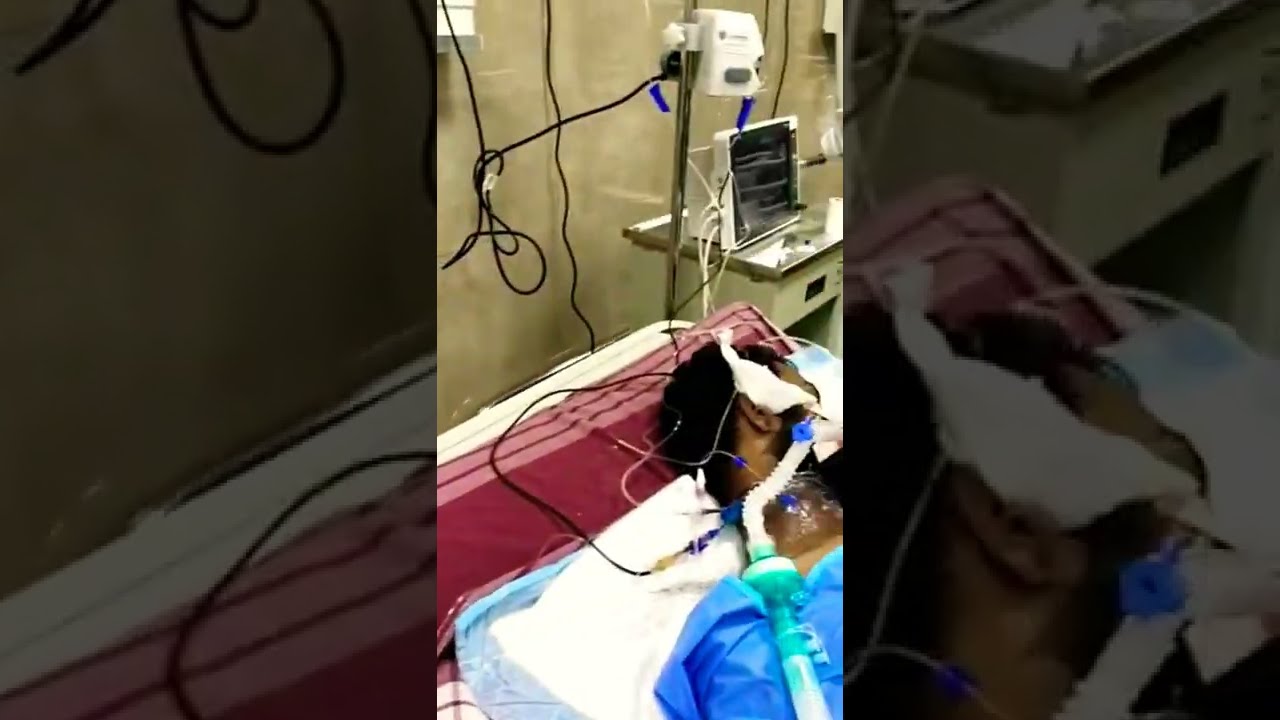
In Pressure Assistance mode, the ventilator delivers a preset amount of pressure throughout breathing while allowing individuals to launch breaths automatically:
Advantages & & Disadvantages
|Benefits|Disadvantages|| --------------------------------------|-------------------------------------|| Enhanced convenience as a result of spontaneity|Threat of hypoventilation if inadequately monitored|
FAQs About Ventilator Support
1. What are common indicators for initiating ventilator support?
Ventilator support might be indicated in situations such as acute respiratory system distress syndrome (ARDS), COPD exacerbation, or post-operative recovery where spontaneous breathing is insufficient.
2 What training do nurses require prior to operating a ventilator?
Nurses should finish formal training such as basic ventilator courses that include both theory concerning mechanical principles together with hands-on practice.
3 How do you figure out proper settings on a ventilator?
Settings must be individualized based upon individual evaluation information including tidal quantity computations stemmed from excellent body weight in addition to clinician judgment based upon arterial blood gas results.
4 What's the difference in between invasive and non-invasive ventilation?
While invasive needs intubation (putting tubes inside respiratory tracts), non-invasive utilizes masks or nasal devices without getting in airways directly.
5 What role does household education play when taking care of people on vents?
Educating family members enables them better participation during care processes ensuring emotional support while improving understanding worrying decision-making bordering therapy plans.
6 Exist threats connected with long term mechanical ventilation?
Yes! Long term use might lead risk factors consisting of infections (ventilator-associated pneumonia), muscle weakness from disuse along other problems demanding cautious surveillance by nursing staff.
Conclusion
In final thought, "What is Ventilator Support? Debunking the Basics for New Nurses" serves as an what is ventilator support important manual developed specifically focused on giving fundamental understanding bordering mechanical air flow methods within important treatment settings today's medical care landscape continually develops it's vital our nursing workforce stays equipped trained capable navigating complexities included caring seriously unwell populaces successfully sensibly! With proceeded discovering with training courses available one can enhance their skillset ultimately contributing positively outcomes experienced by those they serve!